

The conversation around integrity in carbon markets often stops at the verifiable tons of CO₂ reduced or removed. That number matters, but it doesn’t tell the full story of what projects accomplish on the ground.
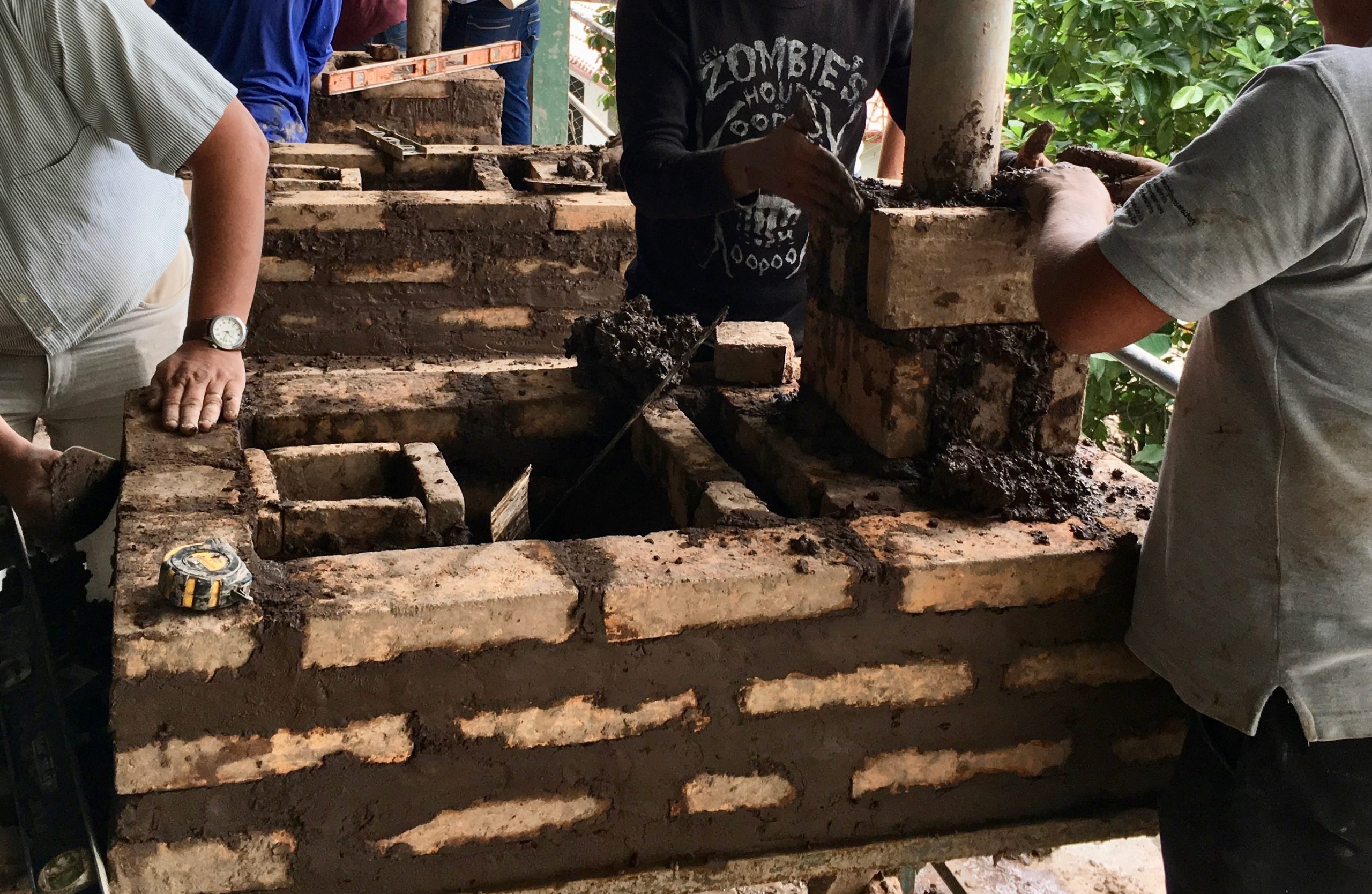
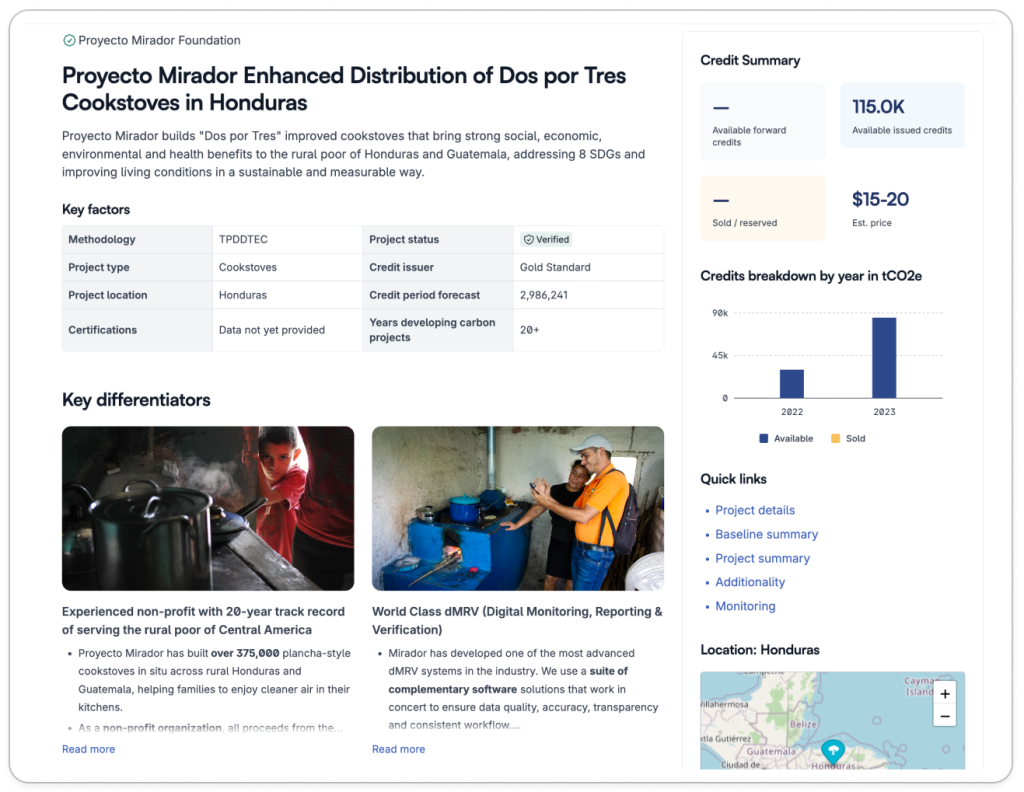
Consider Proyecto Mirador, one of the longest-running improved cookstove projects in Latin America. Their projects don’t just decrease emissions, they also reduce exposure to toxic smoke in kitchens, create local jobs, and protect biodiversity and water cycles through forest conservation. These co-benefits are real and measurable, and their consideration is critical. However, how socio-environmental (SE) data is captured and reported varies widely between standard bodies and often results in checklists, declarative statements, and/or vague, templated language. As a result, it can be difficult to demonstrate socio-environmental impact to the full extent.
“The VCM registries provide little guidance to help projects understand how best to collect, document, quantify, and characterize their SE-related activities and impacts. If projects want to quantify and document their SE impacts, they need to independently piece together the relevant best practice frameworks from outside the VCM and adapt them to their projects.”
– The Rocky Mountain Institute Carbon Markets Initiative
The SE CCDF was built for this purpose: a standardized structure for SE data encapsulated in the broader Carbon and Community Data Framework (CCDF). And it’s why Proyecto Mirador is now using the CCDF on Centigrade to showcase its impact beyond carbon in Honduras and Guatemala.
What is the CCDF?
Implemented in collaboration with the Rocky Mountain Institute (RMI), the CCDF is an open-source framework created to standardize the data underpinning carbon credit projects. It consists of 570 data fields, organized chronologically based on project phases: pre-registration, validation, verification, and further innovation.
Standardizing co-benefits data has long been a challenge in the carbon market, and the CCDF addresses this by putting social and environmental considerations at the forefront. A full 368 of its 570 fields are dedicated to SE data—organized into 9 categories and 24 subcategories. The framework is universally applicable, working seamlessly with any carbon standard or methodology.
This structure allows project developers like Proyecto Mirador to present evidence in a clear, comparable way, while also making space for narratives that bring the data to life. The goal is a full picture of impact, beyond a carbon balance sheet.
Operationalizing the SE CCDF: Proyecto Mirador on Centigrade
Centigrade transforms the SE CCDF into a dynamic, interactive tool. Built with the CCDF as the underlying architecture, the digitization of the socio-environmental framework makes the data directly searchable, comparable, and dynamically trackable over time.
In practice, this means that project developers can report socio-environmental data in a structured format regardless of their standard or methodology and surface more information than is explicitly required by many standards. In turn, digitizing the SE CCDF unlocks new ways to engage with the data.
Standardized Impact Metrics
With the CCDF, Centigrade enables streamlined project evaluation against specific social or environmental criteria. The CCDF enables standardized data comparison across projects, whether they be cookstove initiatives, forestry projects, or direct air capture plants.
For example, Proyecto Mirador hires local technicians to carry out stove assembly and installation, creating steady employment and opportunities for skills development. A buyer interested in employment impact can compare Mirador’s job creation data to other projects, looking at full-time jobs created, part-time positions, average wages, and training hours using identical fields.

Dynamic Impact Record
Unlike static PDFs, Centigrade captures SE data in a format that evolves. Centigrade’s organized digital hub centralizes project data from all sources to create a complete digital record that is updated as the project evolves.
As Proyecto Mirador undergoes new reporting and monitoring periods, they can seamlessly input updated SE data into Centigrade. Consequently, the platform documents and showcases impact over time, creating a traceable, centralized record of how benefits accumulate and Mirador adapts.
Beyond the Data
Centigrade provides space for project developers to pair quantitative SE data with narrative-driven impact stories, including videos, photos, and case studies. While granular data validates personal testimonies, stories add needed context to the numbers.
Families using Proyecto Mirador’s improved stoves report significant reductions in respiratory illness due to cleaner air inside homes. Laboratory results confirm that the stoves reduce carbon monoxide and particulate matter by 79% and methane by 94%, respectively. The SE CCDF captures this quantifiable health evidence, while Centigrade’s platform pairs those numbers with the voices of the families experiencing the impact firsthand.

Looking Ahead
Centigrade’s representation of Proyecto Mirador’s data within the SE CCDF is a glimpse of what’s possible when SE data is treated with the same rigor as carbon accounting. The result isn’t just more comprehensive impact reporting, but a fundamental shift in how we understand and value carbon projects altogether.
Watch to learn more: RMI hosted the Beyond the Ton webinar on October 23rd —the third installment in a series on the CCDF and its implementation on Centigrade. Watch here. You can also reach out to carbonmarkets@rmi.org with feedback and collaboration requests.
Want to explore projects on Centigrade or list your own? Sign up here.